When you build fences every day, you start to appreciate the small things. The details most people never see — but the ones that quietly decide whether a fence stays straight for ten years or starts falling apart after two.
One of those details is how the rails and plinth boards are fixed to the posts.
We love bugle batten screws. They're not flashy. They're not exciting. But they do their job beautifully — and in fencing, that's exactly what you want.
They Grip Like They Mean It
Timber moves. Always has, always will.
🌞 Hot day? It shrinks.
🌧 Rainy week? It swells.
❄️ Cold mornings? It shifts again.
Nails mostly rely on friction to stay put. Over time that friction gives up and the nail starts creeping out, which is when rails begin to loosen.
A batten screw is different. The coarse thread cuts into the timber fibres and grabs on, pulling the rail tight against the post. Once it's in, it holds firm.
It's a simple idea — but it works.
The Clever Bit: The Bugle Head
The "bugle" part of the screw isn't just a name.
The head is shaped to sink neatly into timber while spreading the pressure around it. Instead of crushing or tearing the wood fibres, it pulls the rail in smoothly and sits flush.
That means:
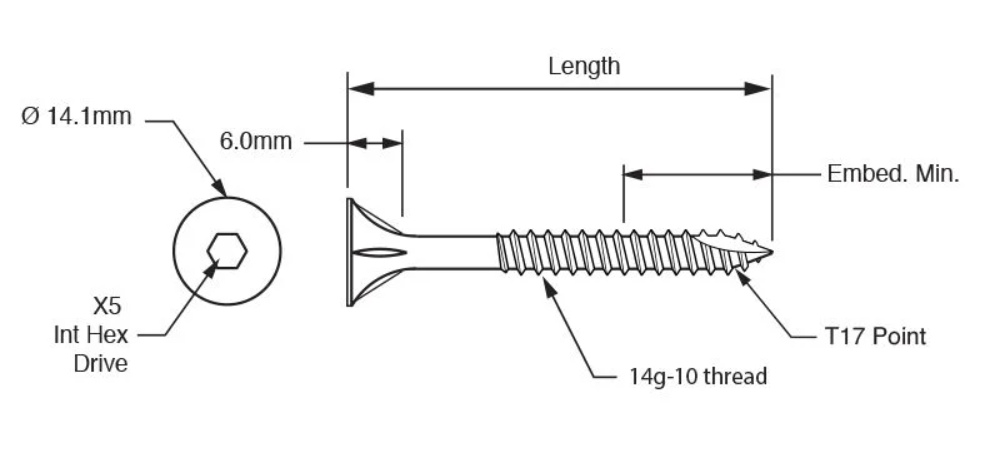
It's one of those small bits of engineering that makes perfect sense once you see it in action.
They Clamp Everything Together
A good screw does two jobs at the same time.
The threads grip the timber fibres, while the head pulls the rail tight against the post. That creates a strong clamping force between the two pieces of wood.
In other words, the rail isn't just attached — it's being held firmly in place.
When wind pushes on the fence or the timber moves with the seasons, that clamping force helps keep everything exactly where it should be.
Built for the Outdoors
Fences live outside, which means rain, sun, and Perth's famously unpredictable weather. The batten screws we use are coated for outdoor conditions, helping prevent rust and keeping the connection strong long after the fence is built.
They Make Future Repairs Easy
Another reason we like them: they come back out.
If a rail ever needs replacing years down the track, we can remove the screws cleanly without wrecking the surrounding timber.
With nails, repairs usually involve crowbars and a fair bit of hope.
The Kind of Detail That Matters
Most people looking at a finished fence will never notice what's holding the rails on.
But those quiet decisions — the ones hidden inside the structure — are often what determine whether something lasts.
That's why we love batten screws. They're simple, reliable, and they help us build timber fences the way they should be built: straight, strong, and made to last.